
Another 7 flying myths explained
We promised we would be back with the second instalment of our air travel myths, and here we are! In Part I, we looked at why tomato juice tastes different on a plane, how high-altitude winds affect flight times, what happens to the air in the cabin and why flying can leave you dehydrated. Now we’re moving on to some of the topics that cause passengers the most concern: aircraft doors, lightning, turbulence and the mysterious disappearances associated with the Bermuda Triangle. Fortunately, the reality is far less dramatic than the legends.
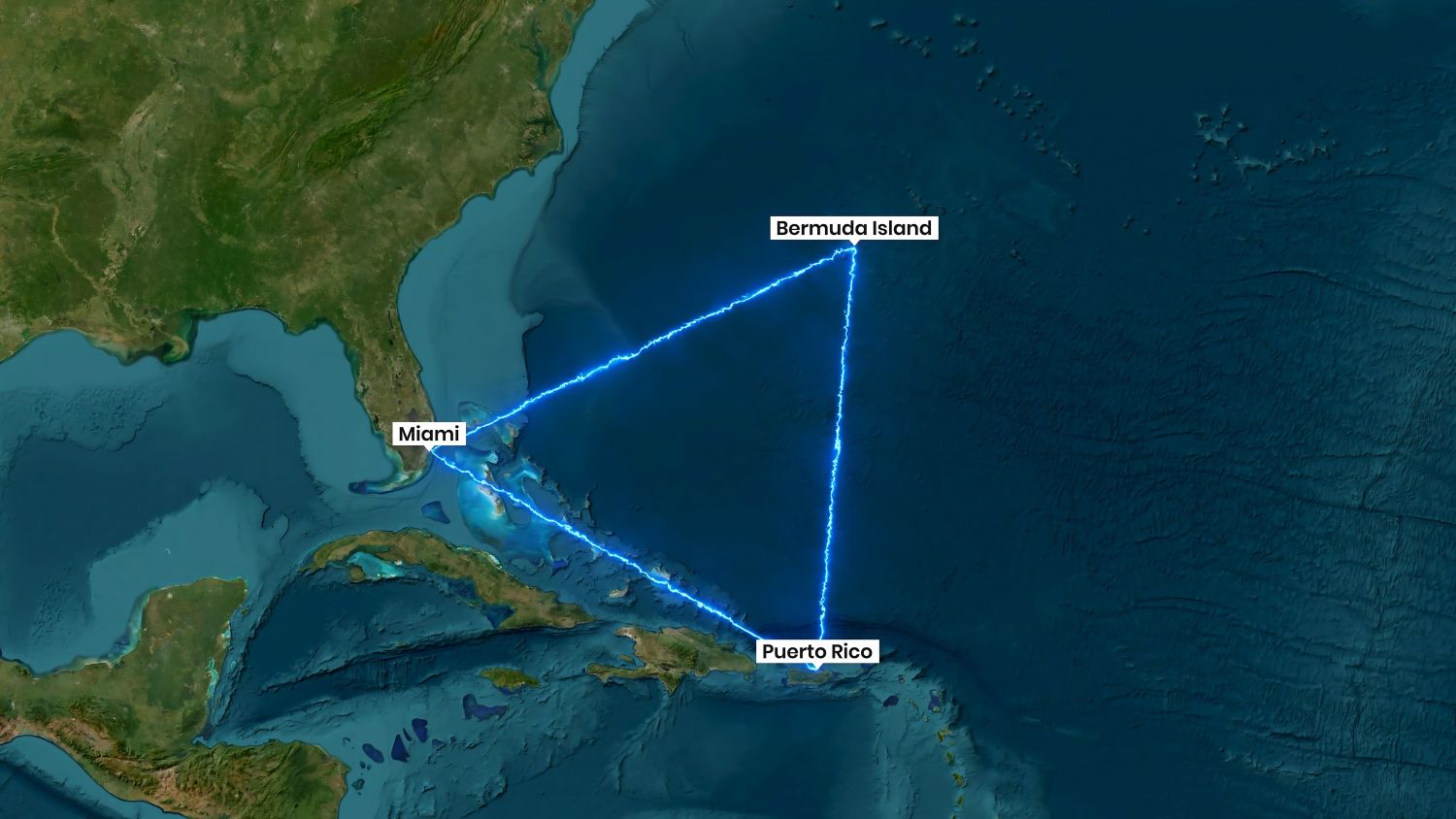
Pilots avoid flying over the Bermuda Triangle. False.
The Bermuda Triangle is a large area of the North Atlantic, in the vicinity of the Caribbean, surrounded by an air of mystery because of stories about ships and aircraft that allegedly disappeared under unexplained circumstances. Fantastical theories — ranging from unexplained phenomena to extraterrestrial intervention — have only added to its sinister reputation.
In reality, pilots do not avoid the region. Flight routes regularly cross it and, statistically speaking, it is no more dangerous than any other stretch of ocean.
An aircraft door can be opened during a flight. False.
This is one of those classic movie scenes that simply could not happen in real life. To open an aircraft door, it first has to be pulled inward. At cruising altitude, cabin pressure is much higher than the pressure outside, and this pressure difference pushes the door firmly against its frame, making it impossible for a person to open. Modern aircraft doors are also secured by mechanical locking systems.
The rare real-life incidents in which an aircraft door has been opened have occurred during the process of pressurization, before take-off, or after the aircraft has been depressurized, when the pressure difference is minimal or non-existent.
Any such attempt is taken extremely seriously. The crew will intervene immediately, and the incident can result in an emergency landing as well as serious legal consequences.
Lightning can cause an aircraft to crash. False.
Passenger aircraft around the world are struck by lightning every day. It is estimated that every aircraft in the US commercial fleet is struck by lightning, usually without incident, at least once a year. In most cases, passengers do not even realize it has happened.

The aircraft’s metal skin acts as a Faraday cage, allowing the electrical charge to travel along the outside of the aircraft and dissipate — usually through the tail — without affecting the interior. It is the same principle that protects people inside a car during a thunderstorm.
Aircraft are also specifically designed and tested to withstand lightning strikes, and the last aviation accident attributed to lightning occurred many decades ago.
Many airlines leave row 13 out of their seat numbering because the number is associated with bad luck in many cultures, and some passengers prefer to avoid it. Some airlines also skip row 17, which is considered unlucky in Italy and Brazil. Superstitions affect seat numbering, however, not flight operations: planes take off without a problem even on Friday the 13th.
Turbulence can break an aircraft apart. False.
Although turbulence can be uncomfortable and sometimes genuinely frightening, it does not pose a threat to the structural integrity of a commercial aircraft.
Aircraft are designed to withstand forces far greater than those encountered during normal flight. During testing, wings are flexed upwards while the pressurised fuselage is subjected to downward forces, without structural failure.
Flight crews also have access to highly accurate weather information and can identify areas where turbulence is likely to occur. In most cases, they either fly through the affected area without difficulty or change altitude to find smoother air.
The one recommendation that always holds true — and can make a real difference — is to keep your seat belt fastened even when the illuminated seat-belt sign is off.
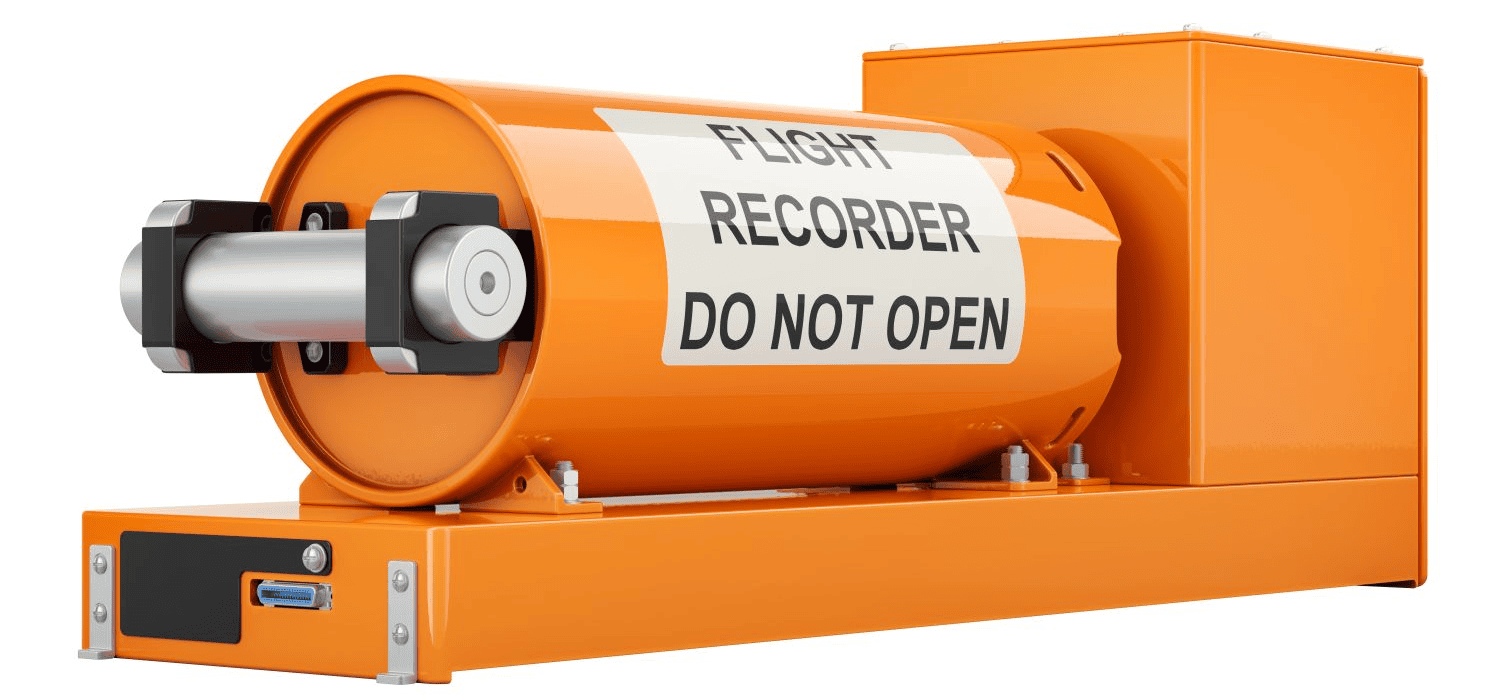
An aircraft’s black box is black. False.
Despite its name, the black box is actually bright orange. The colour is deliberately chosen to make the device as easy as possible to locate after an accident, whether it ends up on land or underwater.
In fact, the term “black box” refers to two separate devices: one records the aircraft’s technical flight data, while the other records cockpit conversations and sounds.
The recorder is usually installed in the tail of the aircraft because this part of the plane is more likely to remain intact in the event of an impact. Black boxes are built to withstand fire, extreme shock, very high pressure and temperatures exceeding 1,000°C.
Aircraft toilets empty their contents during the flight. False.
No. Nothing is released into the air when you flush an aircraft toilet.
Aircraft toilets use a vacuum system that relies on the pressure difference between the cabin and specially designed, completely sealed waste tanks. The tanks are emptied exclusively on the ground by specialised personnel.
The story of so-called “blue ice” dates back to the past, when, in very rare cases, leaks could occur from the disinfectant fluid mixed with waste. Modern systems are fully sealed, so this scenario is now largely a thing of aviation history.
Flying is the safest form of transport. True.
However natural it may be to feel nervous before boarding, the statistics are clear: flying remains the safest form of transport in the world. More than 100,000 flights take place every day, while serious accidents are extremely rare. The probability of being involved in such an event is less than one in several million — dramatically lower than the risk associated with travelling by car.
This level of safety is no accident. It is the result of a system built around risk prevention: aircraft undergo rigorous pre-flight inspections and regular comprehensive maintenance; pilots train continuously in simulators for a wide range of scenarios; redundant systems can immediately take over critical functions in the event of a failure; and air traffic controllers continuously monitor every aircraft.
On top of that, every incident, even a minor one, is analyzed in detail so that the lessons learned can contribute to making future flights even safer.
Ready to start planning your next trip? The Aerotravel team can help you find the right destination and flight.