
7 flying myths explained
Why does tomato juice seem to taste better on a plane? Why do eastbound flights generally take less time than westbound ones? And is it true that your body loses water even when you are sitting still in your seat? We have looked into some of the most common flying myths and checked how much truth there really is behind them.
The pilot and co-pilot eat different meals. True.
This is not a rule followed by every airline, but many recommend that pilots choose different meals, while some have made it part of their internal procedures. The reason is purely practical: if one meal were to cause a pilot food poisoning or another food-related problem, the other pilot would still be fit to fly the aircraft. Other airlines opt for an even simpler precaution and ask pilots to eat their meals at different times.
Tomato juice tastes better at altitude. True.
It’s not just an item on the menu of the flying myths. In this case, research backs up the claim. At Lufthansa’s request, the Fraunhofer Institute built a cabin simulator to investigate why so many passengers choose tomato juice. The conclusion was that, on the ground, it tasted rather bland, whereas at altitude it was perceived as fresher and more acidic
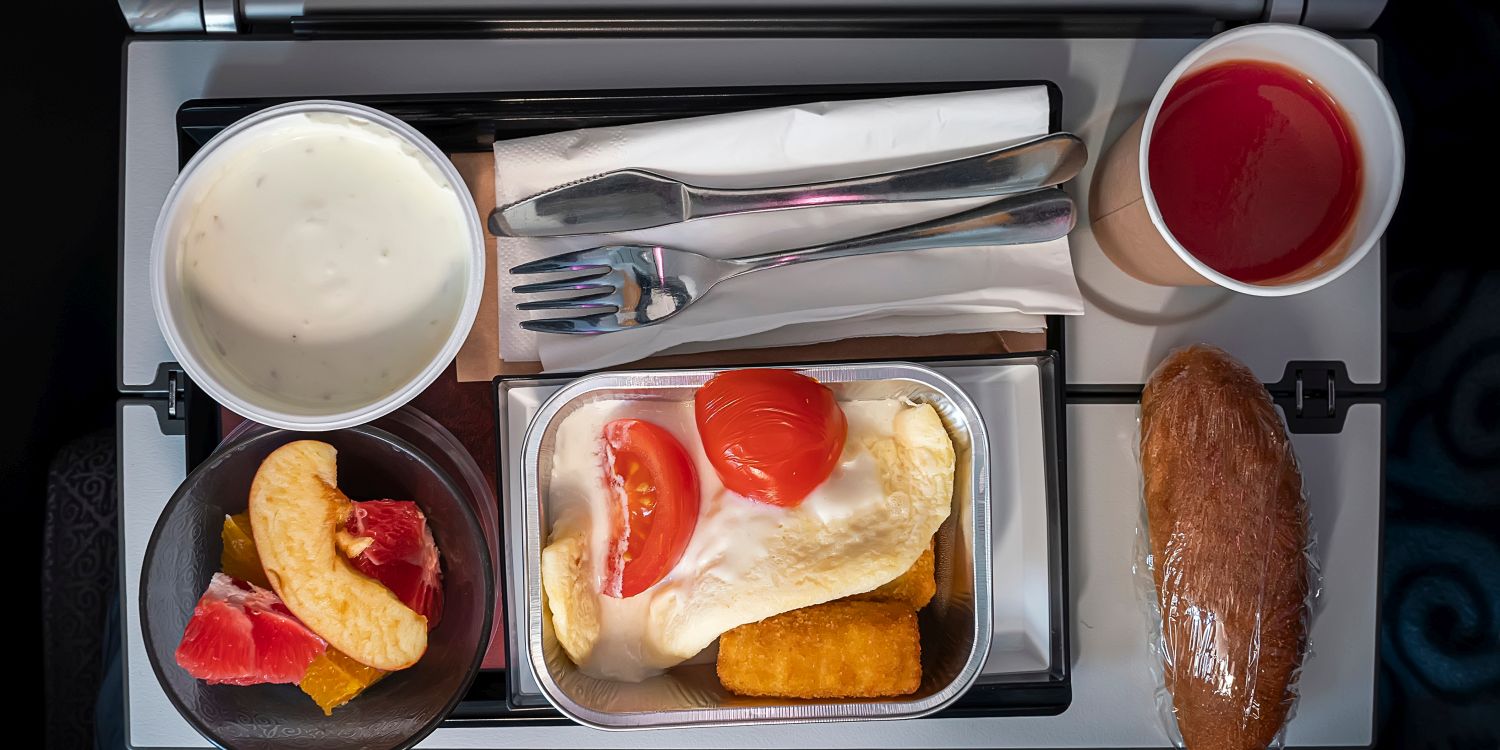
The explanation lies in the way lower cabin pressure and very dry air affect our senses: taste and smell become less sensitive, much like when you have a slight cold. Sweet and salty flavors become more muted, while umami — the savory taste associated with tomatoes, mushrooms and Parmesan — remains pronounced. What is more, researchers at Cornell University have shown that cabin noise can also enhance this perception during a flight.
Airplane cabins don’t have a row 13. True.
Many airlines leave row 13 out of their seat numbering because the number is associated with bad luck in many cultures, and some passengers prefer to avoid it. Some airlines also skip row 17, which is considered unlucky in Italy and Brazil. Superstitions affect seat numbering, however, not flight operations: planes take off without a problem even on Friday the 13th.
Eastbound flights arrive sooner than westbound flights. True — but not for the reason you might expect.
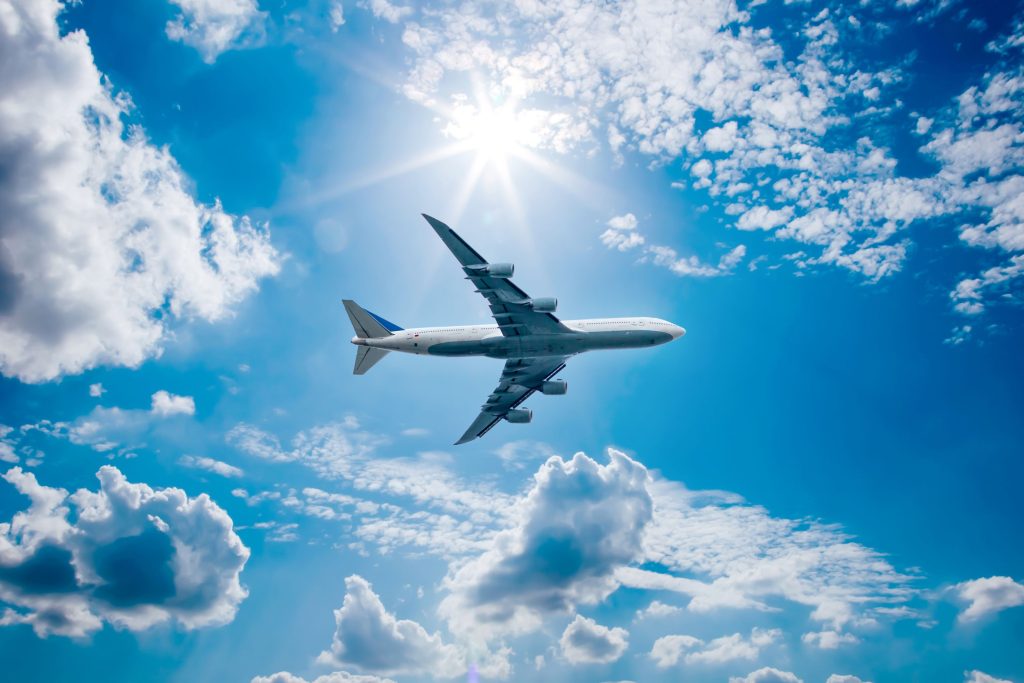
A transatlantic flight from North America to Europe can take one or even two hours less than the return journey, despite covering the same distance. Many people believe the aircraft is somehow benefiting from the Earth’s rotation. In reality, it isn’t: because the atmosphere moves along with the planet, the Earth’s rotation does not affect the duration of the flight.

The difference is caused by jet streams — powerful high-altitude winds that generally blow from west to east. As a result, passengers travelling east benefit from a tailwind, saving both time and fuel, while westbound flights have to “fight” the headwind, which increases their flight time.
Westbound travel causes less severe jet lag. True.
When you travel east, the day becomes shorter and your body has to adjust to a schedule in which bedtime and wake-up time are earlier than usual.
Westbound flights, by contrast, extend the day, making the adjustment easier for your body clock. Your natural sleep pattern also plays a role: people who tend to go to bed late generally adapt more easily to westbound travel, while early risers tend to cope better with eastbound journeys.
Your body loses water during a flight. True.
Cabin air has very low humidity, which means the body loses more water through breathing and evaporation from the skin and mucous membranes. This is the main reason why staying hydrated is recommended during flights, particularly on long-haul journeys.
Estimates of around 1.5 liters of water loss, however, refer to a long flight of around ten hours, not a short trip. In other words, the average loss is roughly a glass of water per hour. That is why both pilots and doctors recommend drinking fluids regularly and limiting alcohol and coffee, which can contribute to dehydration.
Air conditioning spreads germs throughout the aircraft. False.
One of the most resilient on the flying myths list. In reality, the opposite is closer to the truth. Almost all modern aircraft are equipped with HEPA filters, the same type used in operating theatres, which capture more than 99% of particles, including bacteria and viruses.

Cabin air is also completely refreshed around 20–30 times an hour and circulates vertically, from top to bottom, rather than travelling along the entire length of the cabin. A recent study by researchers at Northwestern University found that the air inside aircraft contains mainly common microbes originating from passengers’ skin. In short, the air you breathe on board is generally cleaner than the air in a crowded shopping mall.
These are just some of the most widespread flying myths. In Part II, we’ll find out whether an aircraft door can actually be opened during a flight, what really happens to waste from the aircraft toilet, and why the black box isn’t actually black at all.
Until then, we hope we’ve whetted your appetite for your next trip. Whether you’re travelling for business or heading off on a well-deserved getaway, the Aerotravel team can help you choose the right flight options for your needs and travel plans.