
When you board a plane, your first instinct is usually to get comfortable: keep your bag within reach, recline your seat, and stretch your legs as much as the space allows. These may seem like perfectly harmless habits, but a few simple airplane etiquette rules can make the difference between a pleasant flight and three hours of tension in the cabin. The good news? They’re easy to follow.
Airplane Etiquette Rules: The Middle Seat Gets Both Armrests
If you have the window seat, you get the view and a wall to lean against. If you’re sitting on the aisle, you have a little more room to stretch your legs and can get up more easily. The passenger in the middle seat enjoys neither advantage, so the unwritten rule is that both armrests belong to them.
You won’t find this rule in any airline’s official regulations. It’s simply a matter of courtesy when sharing limited space. If you’re in the middle seat, feel free to claim both armrests without feeling guilty.
Keep Your Carry-On Bag Above Your Seat
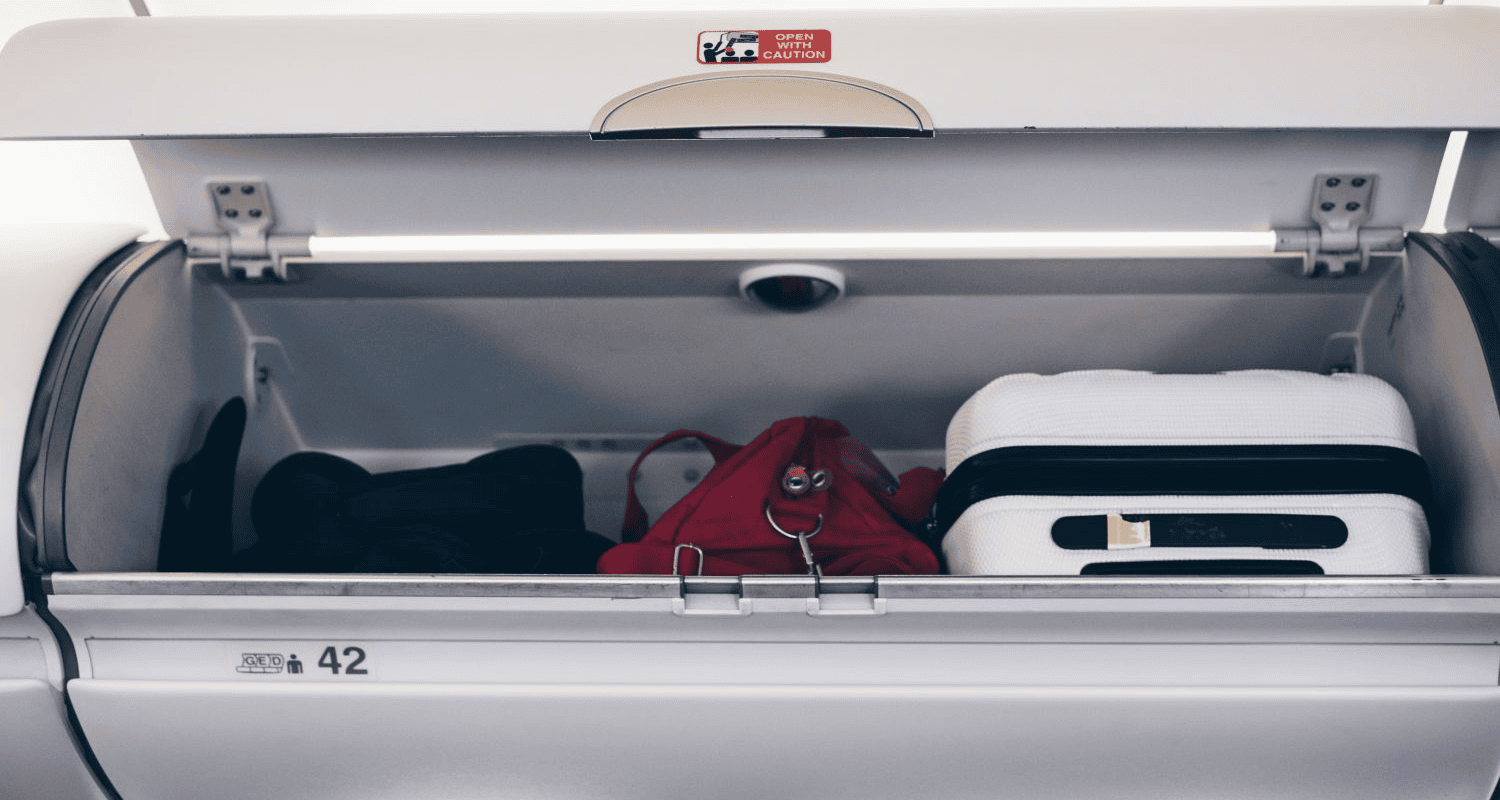
Some passengers place their carry-on suitcase farther away, in an overhead bin across the aisle, so they can keep an eye on it throughout the flight. There’s little reason to do so, and the consequences are immediate: boarding takes longer, and passengers become frustrated as the aisle gets congested.
The International Air Transport Association (IATA) specifies that cabin baggage should be stored under the seat in front of you or in the overhead compartment. If there’s no seat in front of you, the overhead compartment is your only option.
IATA also offers a practical recommendation that many travelers may not know: place your suitcase in the bin wheels first, standing it on its side if it fits, or laying it flat if it doesn’t. Before sitting down, make sure the bin closes properly. Packing your bag this way can leave enough room for another suitcase.
These airplane etiquette rules aren’t just about courtesy. They also make boarding more efficient.
Don’t Block the Aisle While Searching Through Your Bag
Have you ever stood in the aisle for several minutes, suitcase in hand, wondering why the line has stopped moving? Chances are, someone has just remembered that their phone, documents, or headphones are still in their carry-on and is pulling it back down from the overhead bin.
The solution is simple: before boarding, put everything you’ll need during the flight in your pocket or personal bag. You’ll spare yourself the hassle and save the 50 passengers behind you from an unnecessary wait. Of course, it helps to know in advance what you can and cannot bring in your carry-on baggage.
Recline Your Seat, but Ask First
On short-haul flights, seats don’t recline very far anyway, and every inch of extra room you gain comes directly out of the space available to the passenger behind you. If that person has a laptop open or is using the tray table, suddenly reclining your seat can make the next hour particularly uncomfortable.
A quick glance back and a polite “Do you mind if I recline?” can prevent an awkward situation. During takeoff and landing, seatbacks must be returned to their upright position. This is one of the safety checks performed by the cabin crew before these critical phases of flight, ensuring that nothing obstructs a rapid evacuation if one becomes necessary.
Beyond Airplane Etiquette Rules: Essential Safety Measures
Three common habits are often regarded as simple matters of courtesy, although there are much more serious reasons behind them.
1. Keep Window Shades Open During Takeoff and Landing
The European Union Aviation Safety Agency (EASA) includes window shades alongside seatbacks, tray tables, and footrests in its pre-takeoff and pre-landing safety checks. Opening window shades is also explicitly listed among emergency procedures. The reasoning is straightforward: the crew needs to see what’s happening outside before opening an emergency exit, firefighters need to see inside the aircraft, and passengers’ eyes should already be adjusted to the light outside. IATA and the International Civil Aviation Organization (ICAO) recommend the same practice, although individual airlines may apply it differently.
2. Remove Your Headphones During These Critical Phases
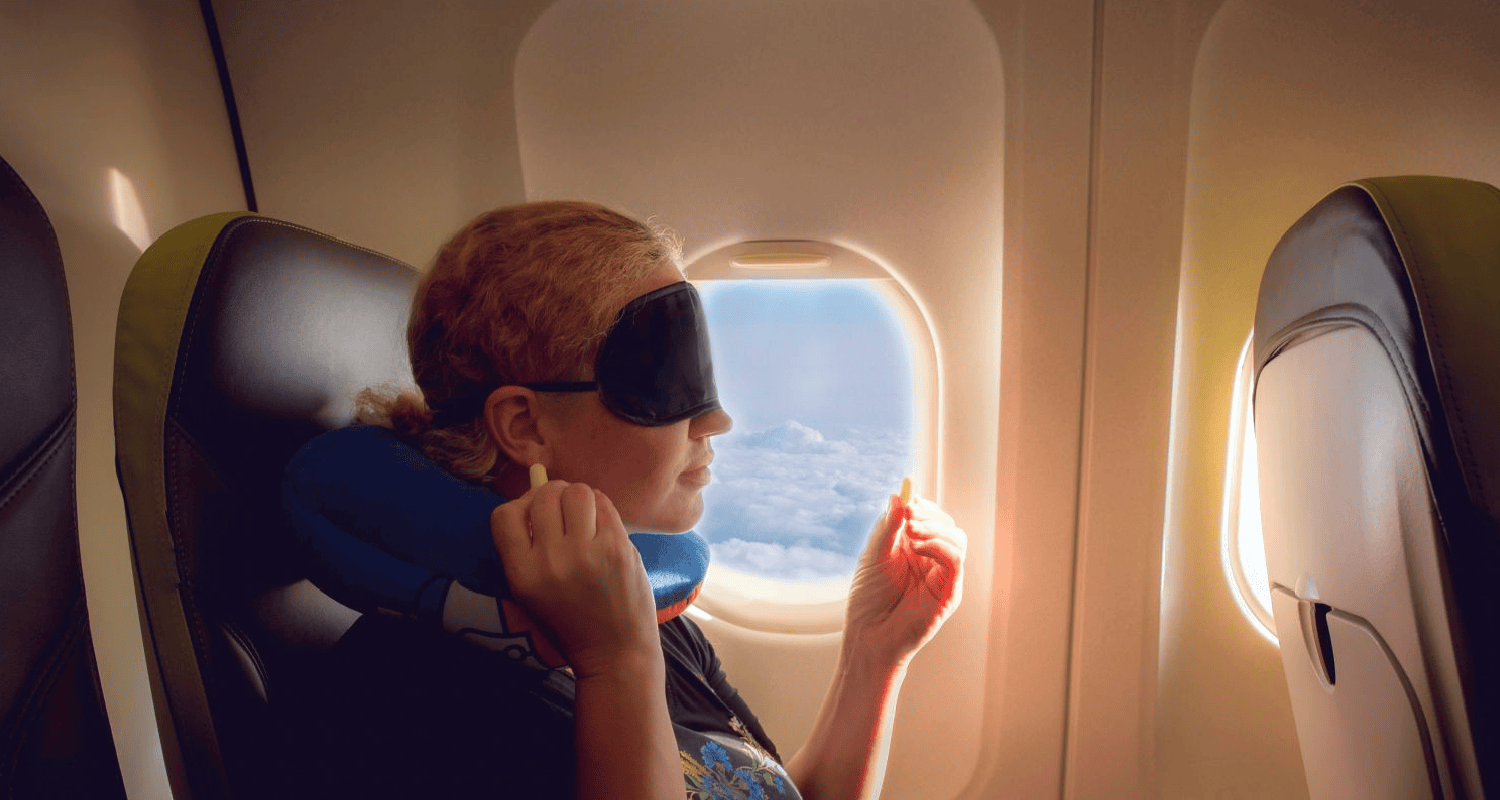
EASA warns that wearing headphones or earplugs during taxiing, takeoff, and landing reduces your awareness of what’s happening around you and makes it harder to hear announcements from the cabin crew.
3. Leave Your Baggage Behind During an Evacuation
EASA is unequivocal on this point. Opening overhead bins can cause luggage to fall onto other passengers, retrieving bags blocks the aisle, and a carry-on suitcase can damage an evacuation slide. Every second matters. To meet certification requirements, a large aircraft must be capable of evacuating all passengers and crew within 90 seconds, using only half of its available exits.
The Bottom Line
Airplane etiquette rules come down to one simple principle: the cabin is a shared environment, not your personal space. Following airplane etiquette rules—stowing your luggage properly, asking before reclining your seat, and organizing your essentials before boarding all help make the flight easier for everyone, including you.